Why Your Bass Goes Out of Tune & How to Fix It Fast with a Bass Tuner
Ever been in the middle of a perfect groove, only to hear that one sour note and realize your bass has drifted out of tune again? It’s a frustrating experience that plagues bassists of all levels, from beginners just starting out to seasoned players in the studio. Constantly reaching for your tuning pegs can break your focus during practice and kill your confidence on stage. So, why does my bass go out of tune, and more importantly, what can you do about it?
This guide is your complete troubleshooting manual. We’ll explore the common culprits behind tuning instability and provide practical, easy-to-follow solutions to keep your bass sounding crisp and in tune for longer. The first step to fixing a problem is having the right tool, and that starts with a reliable way to check your pitch, like our free online bass tuner that works right in your browser.

Common Reasons Your Bass Goes Out of Tune Quickly
Before we can fix the problem, we need to understand the cause. Tuning issues rarely stem from just one thing; it's usually a combination of factors related to your strings, your instrument's environment, and its physical hardware.
Old or Improperly Installed Bass Strings
Your bass strings are the heart of your sound, but they don't last forever. As strings age, they accumulate dirt and oil from your fingers, and the constant tension causes them to stretch and lose their elasticity. This degradation means they can no longer vibrate consistently, making it impossible for them to hold a stable pitch. Similarly, if new strings are installed incorrectly—without enough windings around the tuning post or without being properly stretched—they will constantly slip and go flat until they settle, which can take days.
Environmental Factors: Temperature and Humidity Shifts
Your bass is primarily made of wood, a material that is highly sensitive to its surroundings. When temperature and humidity fluctuate, the wood in your bass neck and body expands or contracts. Even a minuscule movement in the wood can change the tension on your strings, causing them to go sharp in the cold or flat in the heat. This is why a bass that was perfectly in tune at home might sound completely different after sitting in a cold car or being brought into a warm, humid venue. These climate changes can be a constant battle for any musician.
Worn-Out or Low-Quality Hardware Components
The hardware on your bass—the tuning machines, the nut, and the bridge—is responsible for holding your strings securely in place. If any of these components are low-quality, worn out, or loose, you’ll face constant tuning problems. Cheap tuning machines can have "slippage," where the gears don't hold their position under tension. The nut, the small piece at the top of the fretboard with grooves for the strings, can also cause issues. If the slots are not cut properly, strings can get pinched, causing them to go sharp or flat suddenly when you bend a note. These hardware issues are often overlooked but are critical for tuning stability.
Actionable Solutions to Improve Bass Tuning Stability
Now for the good part: the fixes. Most tuning stability issues can be solved with a bit of routine maintenance and proper technique. Here are the most effective steps you can take to help your bass stay in tune.
The Importance of Fresh, Properly Seated Strings
The single most effective way to improve your tuning stability is to change your strings regularly. How often depends on how much you play, but a fresh set every few months is a good rule of thumb for the average player. When you put on new strings, make sure to stretch them properly. Tune each string to pitch, then gently pull it up away from the fretboard. You'll notice it goes flat. Retune and repeat this process a few times until the pitch remains stable. This simple step helps the strings settle in minutes, not days.
Mastering the String Winding Technique
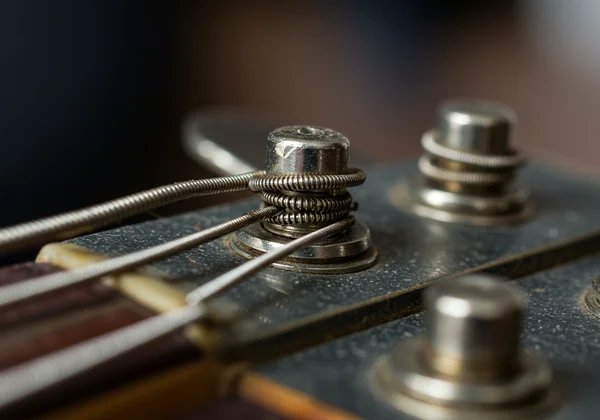
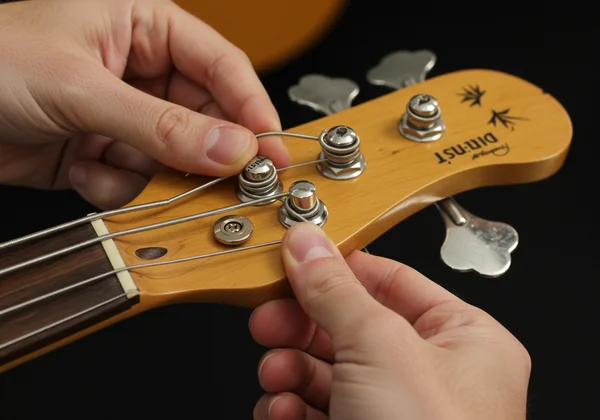
How you wind your strings onto the tuning posts makes a huge difference. A sloppy winding job is a primary cause of slippage. For a secure fit, aim for two to three neat wraps around the post, with each new wrap going under the previous one. This creates a locking effect that clamps the string down, preventing it from slipping under tension. After winding your strings correctly, grab an accurate tuner and see how much better your bass holds its pitch.
Regular Maintenance for Tuning Pegs and Nut
A little bit of hardware care goes a long way. Check your tuning pegs periodically and use a small wrench or screwdriver to gently tighten any loose screws or bushings. This ensures the gears are engaged properly. For the nut, a fantastic and cheap trick is to lubricate the slots with graphite. Simply run the tip of a pencil in each string slot before restringing. The graphite allows the strings to glide smoothly through the nut without catching, which is a common cause of tuning problems.
Acclimating Your Bass to Its Environment
Protecting your bass from extreme environmental shifts is key. Always store your instrument in a case or gig bag, which provides a buffer against sudden changes in temperature and humidity. When you travel, try to let your bass acclimate to a new room for 15-20 minutes before taking it out of its case. This gives the wood time to adjust gradually, minimizing the impact on your tuning.
Advanced Tips & When to See a Professional Luthier
If you’ve tried all the tips above and your bass still won’t stay in tune, there might be a deeper issue that requires a professional's touch.
Considering a Professional Setup for Optimal Performance
A "setup" is a series of adjustments made by a luthier or guitar technician to optimize your bass's playability and intonation. This includes adjusting the truss rod (the metal rod inside the neck), setting the string height (action), and adjusting the bridge saddles for perfect intonation. A professional setup ensures that your bass plays in tune all the way up the neck and can solve many persistent tuning issues that basic maintenance can't fix. While it’s an investment, a good setup can make your instrument feel and sound brand new.
How Our Online Bass Tuner Can Help Maintain Pitch
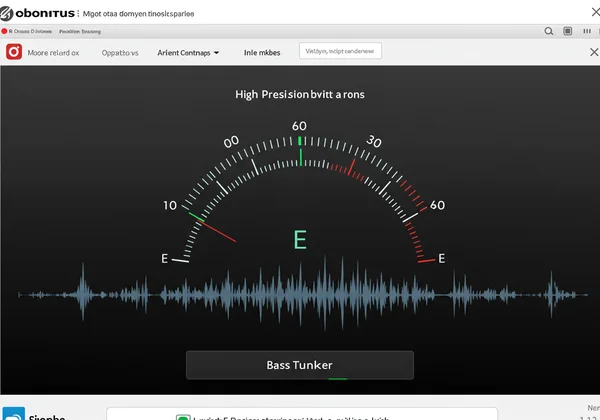
One of the best habits you can develop is to check your tuning frequently. The more you do it, the quicker you'll notice when something is wrong. Our online bass tuner is the perfect tool for this. Because it’s instant and requires no downloads, you can check your pitch in seconds before you play, during practice breaks, or anytime you pick up your instrument. Its high-precision interface helps you dial in your tuning perfectly, making it an essential part of your daily routine to maintain your bass.
Achieve Lasting Tuning Stability and Play More Confidently
A bass that stays in tune is a bass you'll want to play more often. By understanding what causes tuning instability—from old strings and environmental shifts to loose hardware—and applying these simple fixes, you can spend less time tuning and more time playing. Change your strings regularly, wind them properly, perform basic maintenance, and always give your instrument time to acclimate.
Ready to get your bass in perfect pitch right now? Head over to Bass Tuner and use our free, browser-based tool to get an instant and accurate reading.
Frequently Asked Questions About Bass Tuning Stability
Why is my bass buzzing after I tune it?
Fret buzz after tuning is usually caused by issues with your bass's setup, not the tuning itself. The most common causes are strings being too low (low action) or a neck that doesn't have enough relief (a slight upward bow). These issues often require a professional setup to adjust the truss rod or bridge height.
How often should I tune my bass guitar?
You should tune your bass every single time you pick it up to play. Even from one day to the next, small changes in temperature and humidity can affect its pitch. Using a quick and easy online tool makes this a seamless part of your routine.
Can old bass strings really affect tuning stability?
Absolutely. As strings get old and worn, they lose their ability to vibrate at a consistent frequency. This makes them notoriously difficult to keep in tune, and they can also sound dull and lifeless. Fresh strings are one of the best and cheapest upgrades for your instrument.
What is standard bass tuning (EADG)?
Standard tuning for a four-string bass is E-A-D-G, starting from the thickest string (closest to you) to the thinnest. Our tuner is set to this standard by default, making it incredibly easy for beginners to get started.
Is it easier to tune a bass with a phone app or an online tuner?
While both can work, an online tuner like ours at Bass Tuner offers unique advantages. There's nothing to download or install, so it's instantly accessible on any device. Plus, our dual-interface design offers both a simple headstock visual for beginners and a high-precision dial for experienced players, all without any distracting ads.