Online Bass Tuner vs. Pedal vs. App: Which Is Best?
Are you a bass player struggling to pick the perfect tuning tool? Whether you're a beginner finding your rhythm or a seasoned pro holding down the low end, getting your bass perfectly in tune is non-negotiable for a great sound. But with so many options—from handy online tuners to sturdy pedal units and versatile mobile apps—how do you know which bass tuner is truly the "best bass tuner" for you? This guide breaks down the pros and cons of each, helping you find the ultimate tuning solution that fits your playing style, needs, and budget. Let's find the right tool to get you in tune instantly.
Online Bass Tuners: Instant & Free Tuning
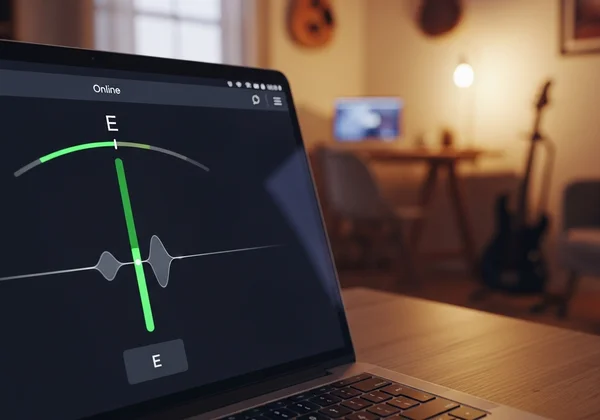
The first stop for many modern players is an online bass tuner. These are tools that run directly in your web browser, using your device's built-in microphone to detect pitch. Their biggest selling point is immediate, zero-barrier access. There's nothing to download, install, or pay for. For daily practice, quick tune-ups before a lesson, or noodling at your desk, they are incredibly convenient.
What Makes an Online Bass Tuner Shine?
The primary advantage of a browser-based tuner is its unparalleled accessibility. You can be on any computer or smartphone, open a webpage, and start tuning immediately. This is a game-changer for beginners who don't want to invest in hardware yet, or for hobbyists who just want a quick, reliable way to tune up without plugging in their entire pedalboard. A good free online bass tuner offers a clean, ad-free interface, focusing solely on getting your G, D, A, and E strings pitch-perfect without any distractions. It’s the definition of a straightforward tuning solution.
Are Free Browser-Based Tuners Accurate?
This is a common and valid concern. Can a free tool on a website compete with dedicated hardware? The answer is a resounding yes. Modern online tuners leverage advanced Web Audio API technology, which allows them to process audio signals with remarkable precision, often rivaling the accuracy of entry-level and even mid-range hardware tuners. For the vast majority of playing scenarios—from home practice to garage band rehearsals—the accuracy of a quality online tuner is more than sufficient to ensure your bass sounds fantastic. They are built to provide a reliable reference for standard bass tuning and beyond.
Pedal Tuners: The Stage & Studio Workhorse
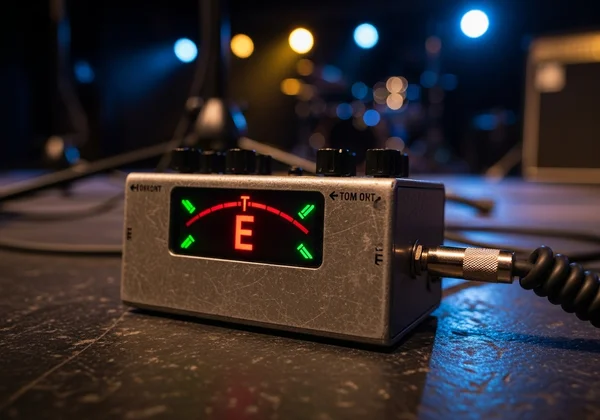
For the gigging musician, the pedal tuner has long been the industry standard. These are rugged metal boxes (stompboxes) that fit on a pedalboard, taking a direct signal from your electric bass. They are known for their durability, accuracy, and stage-friendly features.
When a Stompbox Tuner is Your Best Bet
The biggest benefit of a pedal tuner is its performance in loud environments. Since it reads a direct electronic signal from your bass, it isn't affected by the drummer warming up or the guitarist noodling next to you. Most pedal tuners also feature a bright, clear display that's easy to see on a dark stage. Another professional feature is the mute function; when you engage the tuner, it cuts the signal to your amplifier, allowing you to tune silently between songs. If you play live shows frequently, a stompbox tuner is an invaluable piece of gear.
Potential Downsides of Hardware Tuners
While excellent for live performance, hardware tuners come with drawbacks. The most obvious is the cost—a good one can set you back anywhere from $50 to over $150. They also add another layer of complexity to your setup, requiring patch cables and a power supply. For a player who primarily practices at home, setting up a full pedalboard just to get in tune can feel like overkill. They simply lack the grab-and-go convenience that makes other tuning methods so appealing for casual playing sessions.
Mobile Bass Tuner Apps: Convenience in Your Pocket
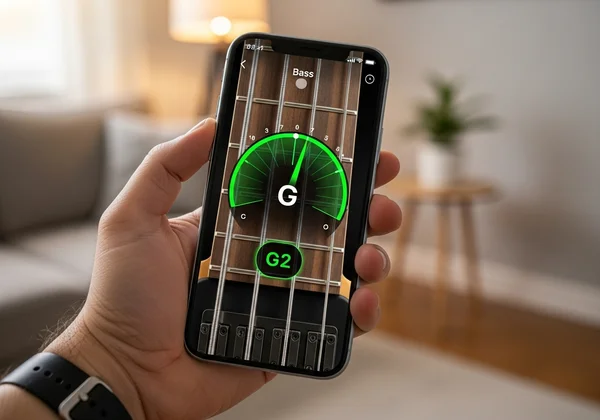
Bridging the gap between online tools and hardware are mobile apps. A bass tuner app puts a tuner right on your smartphone, offering portability that's hard to beat. You almost always have your phone with you, which means you almost always have a tuner.
The Upsides of Tuning Your Bass with an App
Convenience is king here. Like online tuners, apps use your phone's microphone to detect pitch. Many apps also come packed with extra features like metronomes, chord libraries, and ear-training exercises. For a student learning music theory alongside their instrument, having these tools in one place can be very helpful. They offer a great middle-ground for players who want a dedicated tool without carrying extra hardware.
Common Drawbacks of Bass Tuning Apps
Unfortunately, the app experience is often a mixed bag. The "freemium" model is a major pain point. Many free apps are plagued with intrusive pop-up ads or lock essential features—like tuning for a 5-string bass or alternate tunings—behind a subscription or a paywall. The quality can also vary wildly between different apps, with some suffering from poor accuracy or a cluttered user interface. While convenient, finding a great, truly free experience without constant interruptions can be a challenge.
Making Your Choice: Which Bass Tuner is Best for YOU?
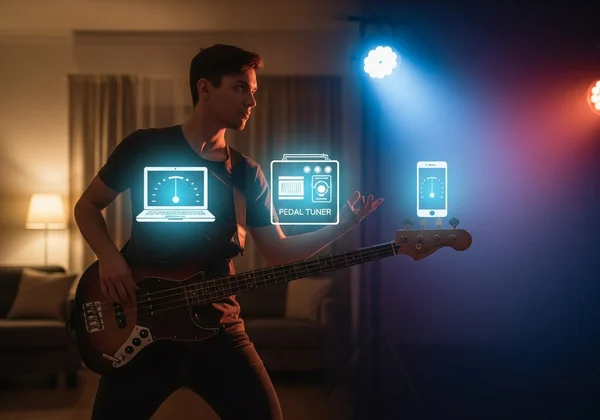
So, after reviewing the options, how do you decide? The best tuner is the one that fits your specific context. It's not about which is technologically superior in every way, but which is the most practical for what you need to do right now.
Key Factors to Consider When Choosing a Tuner
Ask yourself these simple questions to find your perfect match:
-
Where do you play most often? If it's at home in front of a computer, an online tuner is the most logical choice. If you're constantly on stage, a pedal tuner is almost essential.
-
What is your budget? If you're just starting out or want to save money for other gear, a free tool is unbeatable. An excellent online bass guitar tuner costs nothing.
-
How important is convenience? For the ultimate in speed and ease of use, nothing beats opening a browser tab. No downloads, no payments, just instant tuning.
-
Do you need extra features? If you want a metronome and other practice tools in one package, an app might be appealing, provided you can tolerate the ads or are willing to pay.
Why Our Online Bass Tuner Stands Out
For the vast majority of bass players—beginners, hobbyists, and even pros practicing at home—an online tuner offers the perfect blend of accuracy, convenience, and value. Our tool at Bass Tuner was designed to eliminate the common frustrations. It's completely free, with no ads or hidden paywalls. We focused on creating two clear, intuitive interfaces: a visual headstock for beginners to easily see which string they're tuning, and a high-precision dial for experienced players who demand perfect pitch. It works instantly on your laptop, tablet, or phone, providing a professional-grade tuning experience without any of the hassle.
Tune Up Your Bass, Your Way!
Choosing between an online tuner, a pedal, or an app depends entirely on your needs. Pedals own the stage, apps offer portable multi-tools, but for reliable, instant, and completely free tuning, a browser-based tool is the champion for everyday players. It delivers on the one thing that matters most: getting your bass in tune quickly and accurately so you can get back to playing.
Ready to get in perfect pitch? Give our free and accurate tuner a try and hear the difference for yourself.
Your Top Questions About Bass Tuners Answered
Can I really tune a bass guitar with just my phone's browser?
Absolutely! Modern smartphones and laptops have high-quality microphones built-in, and browser technology is powerful enough to analyze audio in real-time with great precision. A well-made online tuner is more than capable of getting your bass perfectly in tune.
Are free online bass tuners accurate enough for professional use?
Yes, for most applications like practice, recording demos, and songwriting, a high-quality online tuner is extremely accurate. While a pro might prefer a strobe pedal for studio session work requiring minute adjustments, our browser-based tuner provides the precision needed for 99% of playing situations.
What's the main difference between a pedal tuner and a mobile app?
The biggest difference is the audio source. A pedal tuner uses a direct electronic signal from your bass, making it immune to background noise. A mobile app uses your phone's microphone, so it can be affected by other sounds in the room. This makes pedals ideal for loud stages and apps better for quieter environments.
How do I know which bass tuner is truly the "best bass tuner" for me?
The "best" tuner is the one you'll actually use. If you primarily play at home near a computer, the convenience and accuracy of an online tuner are unmatched. We recommend you try a browser tool first; you’ll likely find it’s everything you need.