Fix Bass Buzzing & Fret Buzz: A Guide for Bass Tuner Users
Tired of that annoying buzz from your bass guitar? It's a common frustration that can ruin a perfect groove. If you're asking, why is my bass buzzing?, you’re in the right place. This guide will help you diagnose the common causes of bass fret buzz and provide safe solutions to get you back to playing clear, solid notes. A buzz-free bass is the first step to perfect pitch, which you can easily check with an online bass tuner.
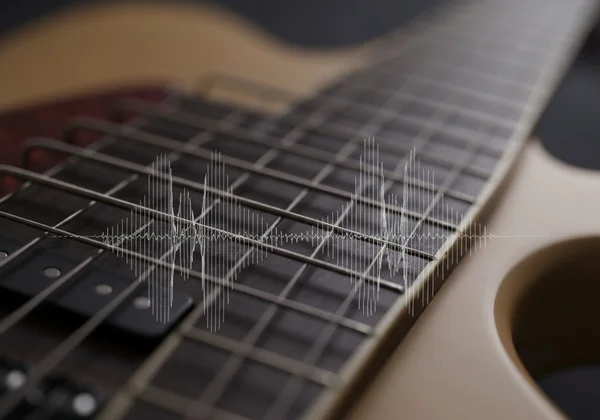
Low Action: Strings Too Close to the Frets
A frequent culprit behind fret buzz is "low action," meaning the strings are too close to the fretboard. While low action can make a bass easier to play, setting it too low causes the vibrating string to hit the frets, creating that unwanted buzz.
What is Bass Action and Why Does it Matter?
Bass action is the string height off the fretboard, a critical part of any bass guitar setup. It directly affects playability and tone. Action that's too high is tiring to play, while action that's too low causes bass fret buzz. Finding the right balance is key.
How to Check Your Bass String Height
To check your string height, fret a string at the first fret and the last fret simultaneously. Look at the gap between the string and the frets around the 7th-9th fret. There should be a small space, about the thickness of a business card. If the string is touching the frets, your action is likely too low.
Adjusting Your Bridge Saddles to Raise Action
This is an easy fix. Each string on your bridge rests on an adjustable "saddle," which typically has two height screws. To raise the action, use an Allen key or screwdriver to turn these screws clockwise. Make small, quarter-turn adjustments, and retune the string before testing again.

Insufficient Neck Relief: Your Neck is Too Straight (or Back-Bowed)
If adjusting the bridge doesn't work, the issue may be your neck's curvature. A bass neck needs a slight upward curve, or "relief," for strings to vibrate freely. A flat or back-bowed neck will cause buzzing, especially in the middle.
Understanding Bass Neck Relief and Truss Rods
The truss rod, a metal rod inside the neck, controls this curve. Tightening it straightens the neck; loosening it adds more curve. Understanding its function is crucial for bass maintenance, even if adjustments seem intimidating.
How to Visually Inspect Your Bass Neck Relief
Use the same method as checking action to inspect relief. Hold the E string down at the first and last frets. Look at the gap between the string and the 8th fret. A healthy neck shows a small gap (like a business card). No gap means your neck is too straight or back-bowed.
When to Adjust Your Truss Rod (and When Not To)
Warning: Incorrect truss rod adjustments can permanently damage your instrument. Beginners should see a professional technician. If you're experienced, make only small adjustments (a quarter turn at a time) and let the neck settle. Never force a stuck truss rod.
Worn Out or Improperly Installed Bass Strings
The problem might not be the bass, but the strings. Strings are consumables that don't last forever. As they age, they lose brightness, hold tune poorly, and can vibrate unevenly, causing a sitar-like buzz.
The Lifespan of Bass Strings and Buzzing
Old strings can have dents and flat spots from hitting the frets, causing erratic vibrations and buzzing. If your strings look dull, feel rough, or are old, a fresh set is a simple solution. After installing them, be sure to tune your bass accurately.
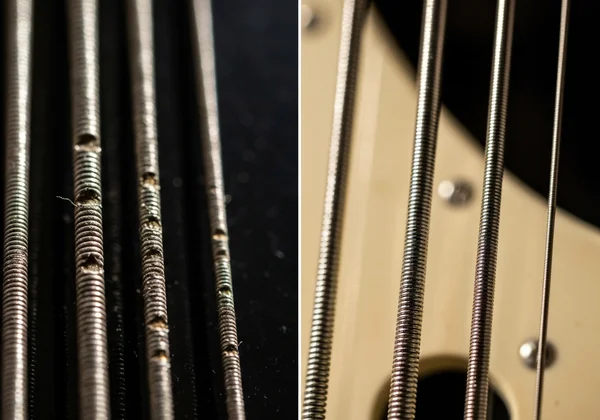
Signs of Bad String Winding on Your Bass Tuners
The way strings are wound onto the bass tuners also matters. Aim for 2-3 neat windings to create a proper "break angle" over the nut for better sustain. Messy, too few, or too many windings can cause tuning instability and buzzing.
Uneven or Worn Frets on Your Bass
Over time, metal frets wear down unevenly. When you press a string on a low fret, it can buzz against the next, higher fret. This is a common cause of isolated buzzing.
Identifying High or Low Bass Frets
Check for high frets with a "fret rocker" or a credit card. Place the edge across three frets. If it rocks, the middle fret is high. This often causes buzzing on just one or two notes.
When to Seek Professional Fret Leveling
Fixing uneven frets is not a DIY job. It requires special tools to level, crown, and polish them correctly. If you suspect you have worn frets, visit a qualified luthier or repair shop.
Nut Slots Too Low or Worn Down
The nut holds the strings at the top of the neck in precisely cut grooves, or slots. If these slots are too deep or worn down, the open string will sit too close to the first fret and buzz when played open.
The Role of the Nut in Preventing Fret Buzz
The nut slots and bridge define the string's vibrating length. Their height is critical for clear open strings. If only your open strings buzz, a worn nut is the likely suspect.
Checking Your Bass Nut Slot Height
Press a string at the third fret and check the space over the first fret. There should be a tiny gap (enough for paper to slide through). If the string touches the fret, the nut slot is too low. Nut work is best left to a professional.
Loose Hardware or Vibrating Components
Sometimes the buzz isn't from the frets but from loose hardware. This sympathetic vibration can be tricky to diagnose, as the sound can travel through the bass's body.
Common Loose Parts: Tuners, Bridge, Pickup Screws
Carefully inspect your bass. Gently wiggle the tuners and check that the bridge is secure. Look for loose pickup screws or even a loose strap button, as any of these can cause vibrations.
How to Inspect and Tighten Bass Guitar Hardware
Use the correct screwdrivers to ensure every screw is snug. Don't overtighten, especially on wood screws. A gentle tightening can often eliminate rattles and prepare your bass for a session with a free tuning tool.
Bad Technique or Playing Style
Finally, consider the human element. A perfect setup can still buzz if your playing technique is the cause. This is common for beginners developing their coordination.
Common Playing Habits That Cause Buzz
Fretting too far behind the fret wire, instead of right behind it, can cause a buzz. Plucking or picking too hard can also make strings hit the frets, regardless of the setup.
Improving Your Right-Hand Attack and Left-Hand Finger Pressure
Play with a lighter touch and focus on fretting just behind the fret. Use the minimum pressure needed for a clean note. Practice playing long, sustained notes and listen for buzz. A clear tone is easier to tune, so when you're ready, check your tuning.

Achieve a Buzz-Free Bass & Perfect Tuning Today!
Don't let bass buzz stop your musical journey. By checking these common causes—action, neck relief, strings, and hardware—you can often fix the issue yourself. A well-setup bass is easier to play and tune. Once the buzz is gone, make sure every note is spot on.
Ready to get your buzz-free bass in perfect harmony? Head over to our free online bass tuner and use our free, accurate, and easy-to-use online bass tuner right in your browser!
Frequently Asked Questions About Bass Buzzing
Why does my bass buzz only on certain frets?
This usually indicates an uneven fret. Buzz on one fret means the next fret is likely too high. Buzz across a section of frets (e.g., 1-5) often points to a truss rod adjustment for more neck relief.
Can old bass strings cause fret buzz?
Yes. Old strings collect dirt and develop inconsistencies from fret contact. This prevents even vibration, leading to buzz, poor intonation, and dull tone. A string change is a cheap and effective first step.
Is fret buzz bad for my bass guitar?
In the short term, fret buzz is annoying but typically not damaging. However, it's a symptom of an improper setup, which can lead to uneven fret wear and make the bass less enjoyable to play.
How often should I get my bass set up to prevent buzzing?
Get a professional setup once or twice a year, especially with seasonal humidity and temperature changes that affect the wood. You may need one sooner if you play frequently or change string gauges.
After fixing the buzz, how do I ensure my bass is perfectly in tune?
Once your bass plays cleanly, use a reliable tuner for the final touch. A browser-based tool offers instant, accurate feedback using your device's mic. Ensure your instrument is ready for any session with our free online tuner.