Bass String Change Guide: Boost Tuning Stability Now!
Are you constantly tweaking your tuning pegs, frustrated as your bass drifts out of tune mid-song? The surprising culprit is often hiding in plain sight: your old strings. Old strings sabotage tuning stability—here’s how to fix it. For beginners and returning players, understanding the impact of fresh strings is a game-changer for rock-solid tuning, a punchier tone, and a more enjoyable playing experience.
This guide will walk you through everything you need to know. We'll cover when and how to change your bass strings to ensure your instrument stays perfectly in tune. Once you have those new strings on, you'll need a reliable way to get them pitch-perfect, and a great online bass tuner is the perfect tool for the job.
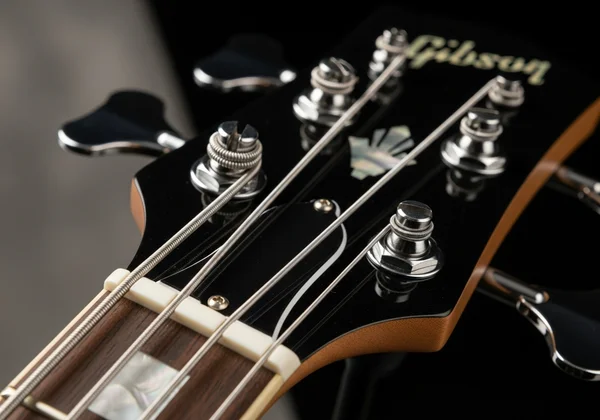
Why Old Bass Strings Sabotage Your Tuning Stability
Before we get to the "how," let's understand the "why." Old strings aren't just a minor issue; they actively work against your efforts to stay in tune. Over time, they degrade in ways that wreak havoc on their performance, turning your practice sessions into a constant battle with pitch.
The Silent Killers: How Dirt, Oxidation, and Fatigue Affect Tone
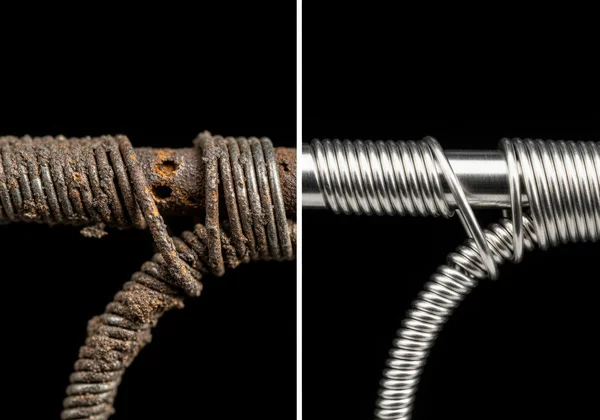
Your strings face daily threats from the moment they’re installed. Oils, dirt, and humidity accumulate in their grooves, accelerating wear. This grime—plus oxidation (rust)—adds uneven weight. The result? Dampened vibrations and unstable tuning.
Simultaneously, the constant tension and vibration cause metal fatigue. The string's core loses its elasticity and can no longer vibrate consistently. This combination of gunk and wear is what makes an old string sound dull, lifeless, and muddy.
Inconsistent Pitch: When Old Strings Can't Hold a Tune
A new bass string has a uniform density along its entire length. This consistency is what allows it to vibrate at a precise frequency, producing a clear, stable note. As strings age, the dirt and corrosion create inconsistencies. Some spots become heavier or less flexible than others.
When you pluck a worn-out string, it can no longer vibrate evenly. This results in an unstable pitch that wavers and is difficult for any tuner to lock onto. It’s the reason you can tune your E string perfectly, only to find it's slightly off again just minutes later.
The Dampening Effect: How Old Strings Muffle Your Bass's Voice
Have you ever noticed your bass losing its punch and clarity? That bright, metallic "zing" you loved when the strings were new gets replaced by a dull "thud." This is the dampening effect in action.
The accumulated grime and metal fatigue prevent the string from sustaining a note. The vibrations die out much faster, robbing your bass of its resonance and dynamic range. This not only affects your tone but also makes it harder to hear the note's true pitch, complicating the tuning process even further.
When to Change Bass Strings: Recognizing the Right Time
Knowing when to change your strings is more of an art than a science, but there are clear signals your bass will give you. Learning to spot these signs will save you from the frustration of playing on dead strings and ensure your instrument always sounds its best.
Visual Clues: Signs Your Strings Are Worn Out
Your first line of detection is simply looking at your strings. Get your bass under a good light and inspect them closely, especially over the pickups and where you pluck them. You should look for:
- Discoloration: Strings that look dull, dark, or have rusty spots are past their prime.
- Flat Spots: Look at the underside of the string where it makes contact with the frets. You may see flattened or worn areas.
- Unraveling: Check the windings near the bridge and tuning posts. If they look fuzzy or are starting to come apart, it's definitely time for a change.
- Kinks: Any noticeable kinks or bends in the string will prevent it from vibrating correctly.
The Sound Test: Listening for String Fatigue
Your ears are your best tool. A new set of strings has a bright, crisp, and harmonically rich sound. As they age, this vibrancy fades. If you notice your bass sounds muffled, lacks sustain, or just doesn't cut through the mix like it used to, your strings are likely the cause.
A simple test is to compare the sound of a fretted note at the 12th fret to its open harmonic. On old strings, the fretted note will often sound noticeably duller and less defined than the harmonic.
How to Change Bass Strings for Better Tuning Stability
Changing bass strings for the first time might seem intimidating, but it's a straightforward process that every player should master. Following these steps will ensure you do it safely and effectively, setting you up for perfect tuning stability.
Playing Frequency and Hygiene: Factors Affecting String Lifespan
How long a set of strings lasts depends heavily on you. If you play for an hour every day, your strings will wear out much faster than someone who only plays once a week. Your sweat matters too. Acidic hands corrode strings faster, so wiping them down post-practice is crucial.
As a general guideline:
- Professional/Daily Player: Change every 1-2 months.
- Regular Hobbyist (a few times a week): Change every 3-6 months.
- Occasional Player (once a week or less): Change every 6-12 months, even if you don't play much, as oxidation happens regardless.
A simple habit of wiping your strings with a clean cloth after each session can significantly extend their life.
Essential Tools for a Smooth and Safe String Swap
You don't need a professional workshop, just a few basic items. Having these on hand will make the job quick and easy.
-
A new set of bass strings.
-
A string winder and cutter (or a pair of pliers with a wire cutter).
-
A soft cloth for cleaning.
-
An accurate tuner. A convenient, free bass tuner right in your browser is perfect for this.

Removing the Old: One by One for Neck Stability
The most important rule is to change your strings one at a time. Removing all the strings at once releases all the tension from the neck, which can potentially cause issues with your bass's setup.
Start with the thickest string (usually the E string). Loosen the tuning peg until the string is completely slack. Unwind it from the post and then pull the other end out of the bridge. This is also a great opportunity to use your cloth to wipe down the area of the fretboard and headstock you couldn't reach before.
Installing New Strings: The Winding Technique for Optimal Tuning
Properly winding the new string onto the tuning post is critical for stability.
- Anchor the String: Thread the new string through the bridge and pull it all the way to its corresponding tuning post.
- Measure the Slack: Pull the string taut. A good rule of thumb is to measure about two tuning posts' worth of slack past the post you're winding. Cut the excess string here.
- Create a Kink: Make a sharp 90-degree bend in the string where you plan to insert it into the tuning post hole.
- Insert and Wind: Stick the bent end into the hole. Start winding the tuning peg, ensuring that each new wrap goes underneath the previous one. This creates a locking effect that prevents the string from slipping. Keep light tension on the string with your other hand to guide it. Aim for 3-4 clean wraps around the post.
Stretching and Tuning New Strings: Lock in Your Pitch Instantly
New strings need to be stretched to settle into their final tension. Without this step, they will constantly go flat for the first few days.
After installing a new string, tune it up to the correct pitch. You can use a reliable tuner to get it right. Next, gently pull the string up and away from the fretboard, moving your hand up and down its length. You will hear the pitch drop significantly. Re-tune the string and repeat the stretching process 2-3 times until the pitch remains stable after a pull.
Repeat this entire process—remove, install, tune, and stretch—for the remaining strings, one by one.
Pro Tips for Maximizing Bass String Life & Tuning Performance
Once your new strings are on, a few simple habits and a bit of knowledge can help you keep them sounding great for longer and maintain peak tuning performance.
The Post-Play Wipe: A Simple Habit, Big Impact
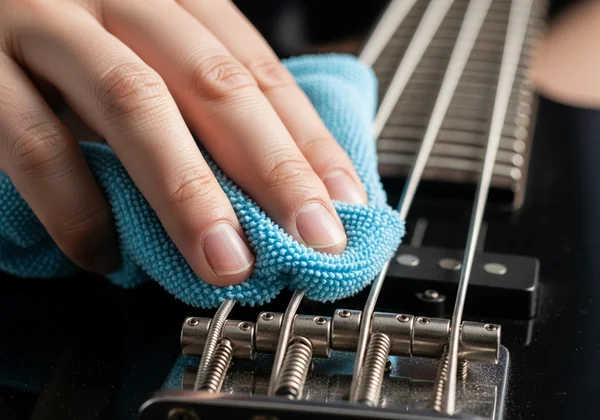
The single most effective thing you can do to extend string life is to wipe them down with a clean, dry microfiber cloth after every time you play. This removes the corrosive oils and dirt from your hands before they have a chance to work their way into the windings. It only takes 30 seconds but can add weeks or even months to your strings' lifespan.
Experimenting with String Types: Finding Your Perfect Match
Not all strings are created equal. The material and construction of a string have a huge impact on its tone and feel. The two most common types are:
- Roundwound: Bright, textured, and the most common type. Great for rock, funk, and modern styles.
- Flatwound: Smooth, warm, and mellow. Perfect for jazz, soul, and vintage Motown sounds.
Experimenting with different materials like nickel-plated steel or pure stainless steel can help you find the perfect match for your playing style and desired tone.
Professional Setup for Long-Term Intonation
If you've changed your strings and find that your bass still doesn't play in tune all the way up the neck, the problem might be your intonation. Intonation refers to the instrument's ability to stay in tune across all frets. Adjusting it involves making small changes to the saddles on the bridge.
While it's possible to learn to do this yourself, if you're not comfortable, it's best to take your bass to a professional guitar technician for a setup. A proper setup will ensure your bass plays and tunes as accurately as possible.
Unlock Your Bass's Full Potential with Fresh Strings
Changing your strings is one of the easiest and most affordable upgrades for your bass guitar. It instantly revitalizes your tone, improves tuning stability, and makes playing more fun. Fresh strings transform your bass from a source of frustration into a responsive, reliable instrument. Once your strings are set, click over to our free online bass tuner to dial in every note fast.
Bass String Changing & Tuning Stability FAQs
How often should I change my bass strings if I play regularly?
If you play several times a week, a good rule of thumb is to change your strings every 3 to 6 months. This ensures you maintain a consistent tone and reliable tuning stability. If you notice your strings look dirty or sound dull before then, don't hesitate to change them sooner.
Can I clean my bass strings instead of changing them?
While you can clean strings by boiling them or soaking them in denatured alcohol, this is only a temporary fix. It may bring back some brightness for a short period, but it won't repair the underlying metal fatigue. Cleaning is a short-term solution, while replacement is the only true way to restore your tone and stability.
What's the difference between nickel and steel bass strings for tuning?
Both nickel-plated steel and stainless steel strings hold their tune well when new. The main difference is in tone and feel. Nickel strings tend to have a warmer, more balanced tone, while stainless steel strings are brighter and more aggressive. The choice is a matter of personal preference and won't significantly impact tuning stability itself.
Why do new bass strings go out of tune quickly at first?
New strings need time to stretch and settle into their final tension on the instrument. This is completely normal. The initial instability is why the stretching step in our guide is so important. By properly stretching each string as you install it and using an accurate tuner to re-tune, you can speed up this settling-in process from days to just a few minutes.